Nigerian Hair Traditions
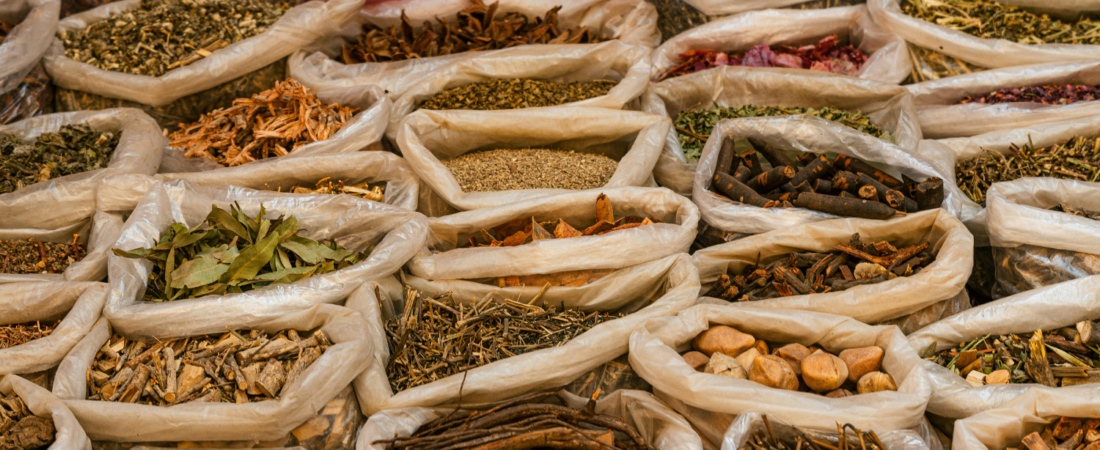
Long before hair care became an industry with hashtags and fifteen-step routines, our mothers and grandmothers were already taking care of their hair with what was around them. Black soap. Shea butter. Herbs boiled into pastes and rinses. A lot of what’s now sold as “innovative” or “trending” in hair care is actually just tradition getting rediscovered, sometimes with a new name attached.
The interesting part is that a lot of this traditional knowledge holds up. Not because it’s old, but because the ingredients themselves genuinely work. Here’s a real look at some of the most common ones, what they actually do, and why they earned their place in African hair care in the first place.
Black Soap (Ose Dudu)
If you grew up in a Nigerian household, there’s a good chance black soap was somewhere in your bathroom before you even knew what “clarifying” meant. Made traditionally from ash of plantain skins, cocoa pods, and palm tree leaves, combined with oils like shea and coconut, black soap has been used for generations to cleanse both skin and scalp.
What it actually does: black soap is genuinely good at lifting away oil, sweat, and product buildup from the scalp without some of the harsher detergents found in mass-produced shampoos. That’s especially useful if you’re someone who goes longer between wash days, since your scalp has more buildup to deal with by the time you do wash. A properly made black soap cleanses thoroughly while leaving room for your natural oils to come back afterward, instead of stripping everything away and leaving your scalp tight and dry.
The important word there is “properly made.” Not all black soap on the market is created the same way, and poorly made versions can be too harsh or inconsistent. That’s part of why we formulated our own African Black Soap Clarifying Shampoo, so you get the traditional cleansing benefit without the guesswork of an unbranded block from the market.
Shea Butter
Shea butter comes from the nut of the shea tree, found across West Africa, and it’s one of the most well-documented natural moisturisers used on the continent. It’s thick, rich, and genuinely effective at sealing moisture into both skin and hair.
What it actually does: shea butter doesn’t add moisture on its own, it seals moisture in. That’s an important distinction. If you apply shea butter to completely dry hair, you’re just coating dry strands in a layer of butter. But applied after water or a water-based leave-in, shea butter helps lock that moisture in and protects the hair from losing it too quickly, especially useful during harmattan season when the air itself is pulling moisture out of everything.
It’s also naturally rich in vitamins and fatty acids that support the hair’s outer layer, which is part of why it’s held onto its place in African hair care for so long, it isn’t just tradition for tradition’s sake, it’s tradition because it genuinely works.
Chebe Powder
Chebe is originally from Chad, used for generations by Chadian women known for exceptionally long hair. It’s made from a blend of ground herbs and seeds, traditionally mixed with butters and oils into a paste that’s applied to the hair.
What it actually does: Chebe is believed to work by coating the hair strand and helping to protect it from mechanical damage and moisture loss, which supports better length retention over time. It’s not a magic growth accelerant, nothing is, but as part of a consistent routine, it can genuinely help reduce the breakage that’s usually the real reason hair “isn’t growing” in the first place.
This is exactly why we built our Chebe Hair Growth Grease around it, combining the traditional Chebe base with other Ayurvedic herbs and butters for a fuller breakage-control routine, not just a single-note product.
Aloe Vera
Aloe vera grows easily across much of Nigeria and has long been used, often straight from the leaf, as a soothing treatment for both skin and scalp. Break open a leaf and you’ll find a clear gel that’s been part of African home remedies for generations.
What it actually does: aloe vera has genuine soothing properties for an irritated or dry scalp, and it carries some water-binding qualities that support hydration when used as part of a leave-in or rinse. It’s gentle enough for regular use and works well alongside heavier ingredients like shea butter or oils, rather than replacing them.
Coconut Oil
Coconut oil has a complicated relationship with African hair care. It’s everywhere, and it’s genuinely useful, but it’s also often misunderstood. Because it’s affordable and widely available, it’s frequently used as an everyday moisturiser, but coconut oil is actually better suited as a sealant than a moisturiser.
What it actually does: like shea butter, coconut oil helps seal in moisture rather than adding it. Applied to already-hydrated hair, it can genuinely help protect strands and reduce protein loss during washing. Applied to dry hair alone, it mostly just sits on the surface without doing much. Knowing this difference is part of why understanding your hair’s porosity matters, since how well an oil like this performs depends a lot on how open or closed your hair’s outer layer is.
Why This Knowledge Almost Got Lost
For a long time, a lot of these traditional practices got pushed aside in favour of imported products marketed as more “modern” or “effective.” Relaxers, silicone-heavy conditioners, and mass-produced products took over shelves, often at the cost of the scalp-first, ingredient-conscious approach our grandmothers actually practiced.
The natural hair movement, both in Nigeria and across the diaspora, has brought a lot of this back into focus. Not as a trend, but as a return to something that was working all along, just refined with a better understanding of why it works, not just that it does.
Bringing It Into a Modern Routine
You don’t need to choose between tradition and a proper routine, they work best together. The key is using these ingredients the right way, in the right order, and as part of a consistent wash day rhythm, not as random additions whenever you remember.
If you’re not sure how to bring ingredients like these into a routine that actually fits your hair type and porosity, our free Hair Analysis can help you figure out where to start, and which of our products can support that routine properly.
Our grandmothers didn’t have hashtags or hair analysis quizzes. But they knew their hair, and they knew what worked. That knowledge is worth holding onto, and worth using properly.
Written by Winnifred, UK Registered Nurse and founder of Toks Natural.